Fascia and soffit boards protect the most exposed part of a roof: the eaves. This area takes constant impact from rainwater runoff, wind, temperature changes, and debris. When these boards are installed correctly, they help control water flow, support guttering, protect roof timbers, and manage ventilation inside the roof space.
Problems with fascia or soffits rarely appear overnight. Small gaps, weak fixings, or blocked airflow can slowly lead to timber rot, condensation, mould growth, and gutter failure. Understanding how to install fascia board and soffit correctly helps homeowners spot risks early and decide when professional work is the safer option.
Role of Fascia and Soffit Boards in Roofing
Fascia and soffit boards work together to protect the roof edge and maintain roof health. Fascia boards carry the weight of the guttering and control how rainwater leaves the roof. If fascia boards are weak or incorrectly fixed, gutters can sag or overflow, allowing water to soak into brickwork and roof timbers.
Soffit boards manage airflow at the eaves. Proper ventilation allows warm, moist air to escape from the roof space, reducing condensation and preventing long-term moisture damage. Poor soffit installation or blocked vents can trap moisture inside the roof, leading to decay that often remains hidden until serious repairs are needed.
Tools and Materials Required
Fascia and soffit installation requires accuracy, secure access, and weather-resistant materials. Common tools and materials include:
- Measuring tape and spirit level
- Circular saw or fine-tooth hand saw
- Drill with exterior-grade screws
- Ladder or scaffolding for safe access
- Fascia boards and soffit boards (PVC or treated timber)
- Sealant suitable for external use
- Ventilation strips or vented soffit boards
- Safety gloves and eye protection
Working at height increases risk, especially on two-storey properties or uneven ground.
How To Install Fascia Board And Soffit: Step-by-Step Guide
These step-by-step instructions will walk you through the process of installing fascia and soffits, helping prevent common mistakes and roof damage.
Step 1: Inspect and Prepare the Roofline
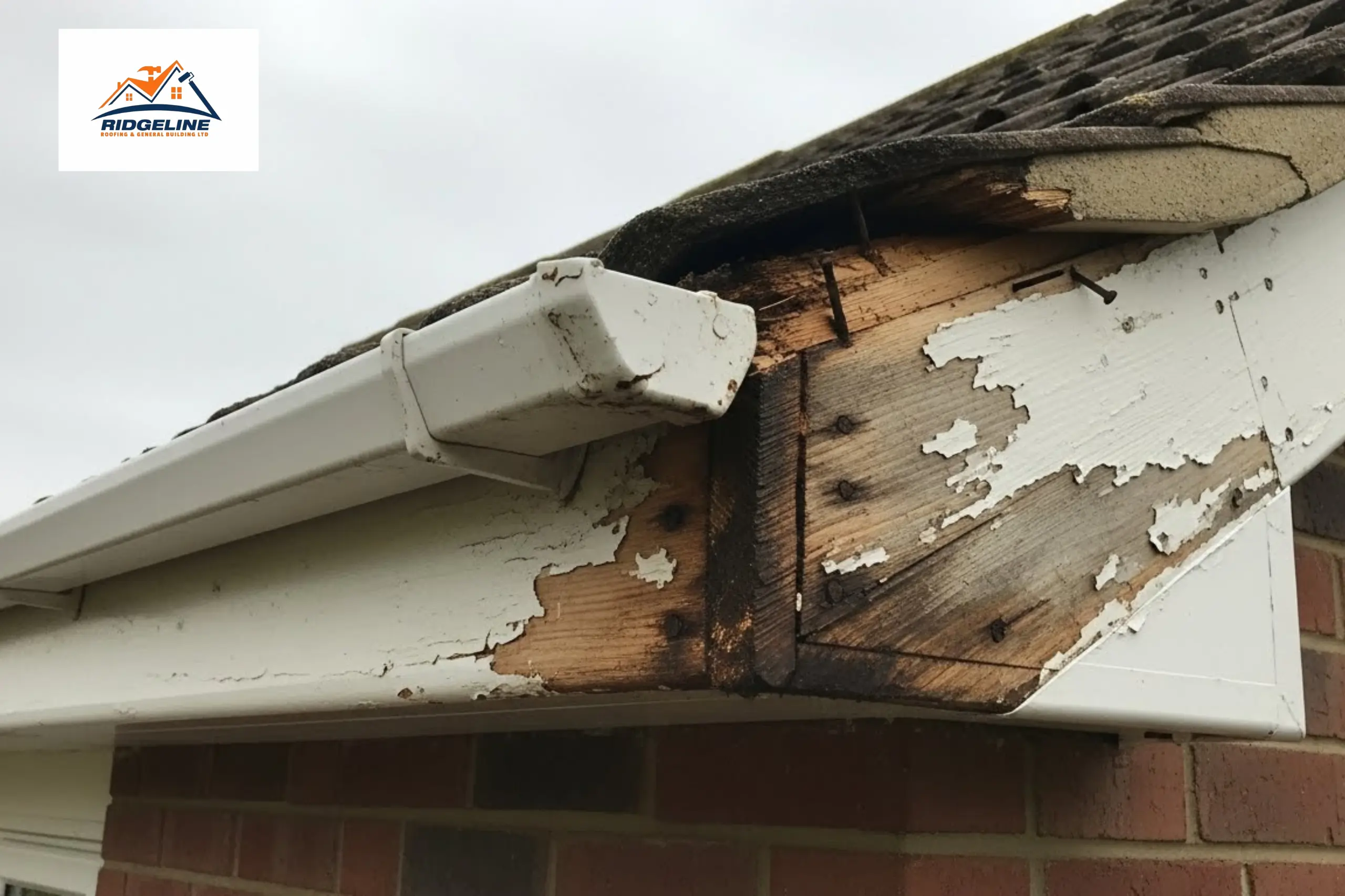
Before removal begins, access equipment must be secure and guttering supported to prevent damage or injury. Old fascia boards, soffits, and guttering are removed to expose the rafter ends. Each rafter is checked for rot, cracking, or weakness. Any damaged timber must be repaired or replaced before new boards are fitted.
If gutter joints are leaking, taking action quickly can prevent further water issues. Our guide on fixing a leaking gutter joint walks you through the best repair methods.
Step 2: Measure and Cut Boards Accurately
Measurements are taken along the full roofline to ensure boards fit tightly and evenly. Boards are cut to size with clean edges to allow proper joining and sealing.
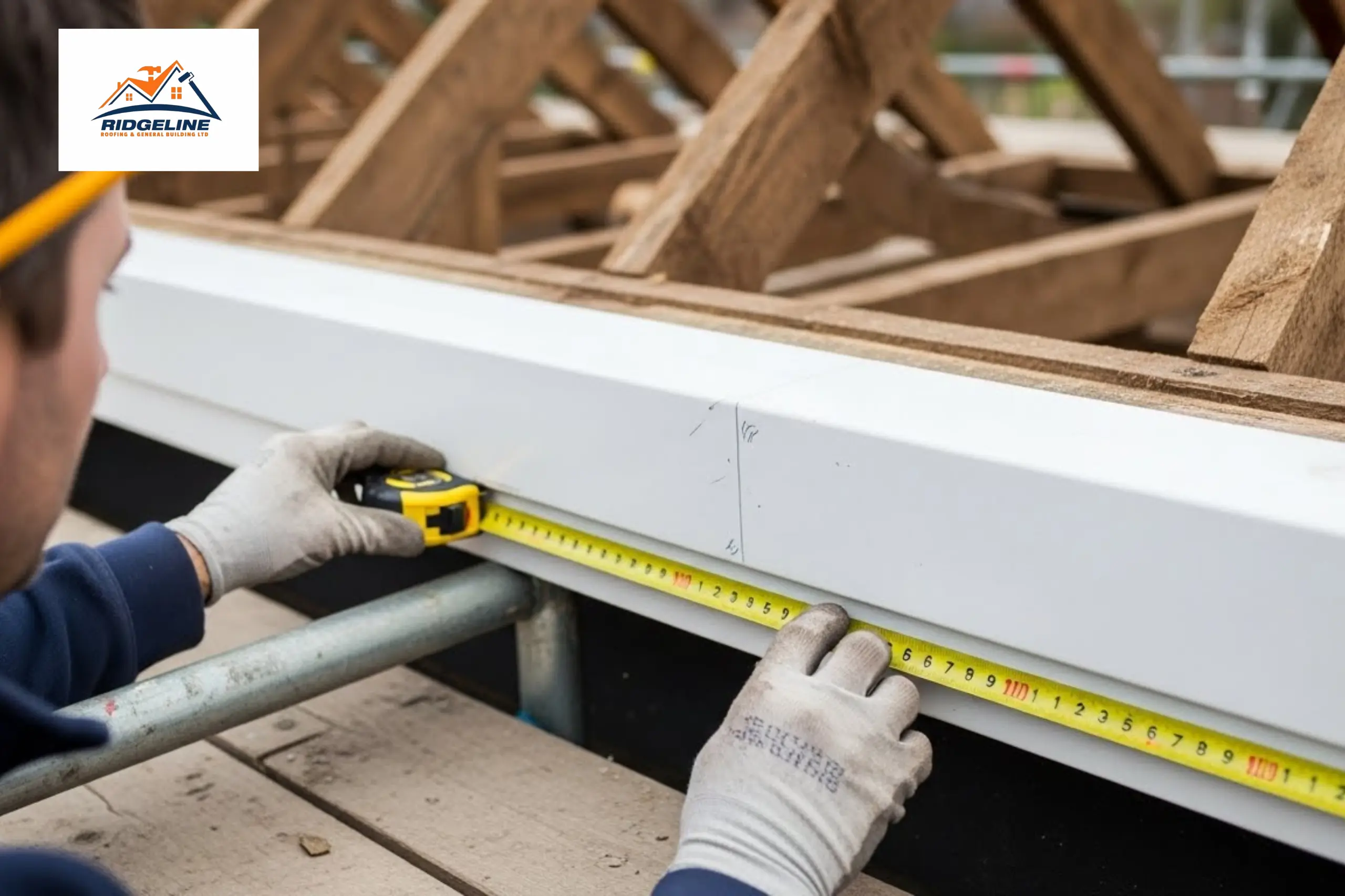
Inaccurate cutting causes gaps, uneven alignment, and poor water protection.
Step 3: Install the Soffit Boards
Soffit boards are fitted first. They are secured between the wall and the roof edge, forming a sealed underside to the eaves. Where ventilation is required, vented soffit boards or ventilation strips are installed at this stage to allow controlled airflow into the roof space.
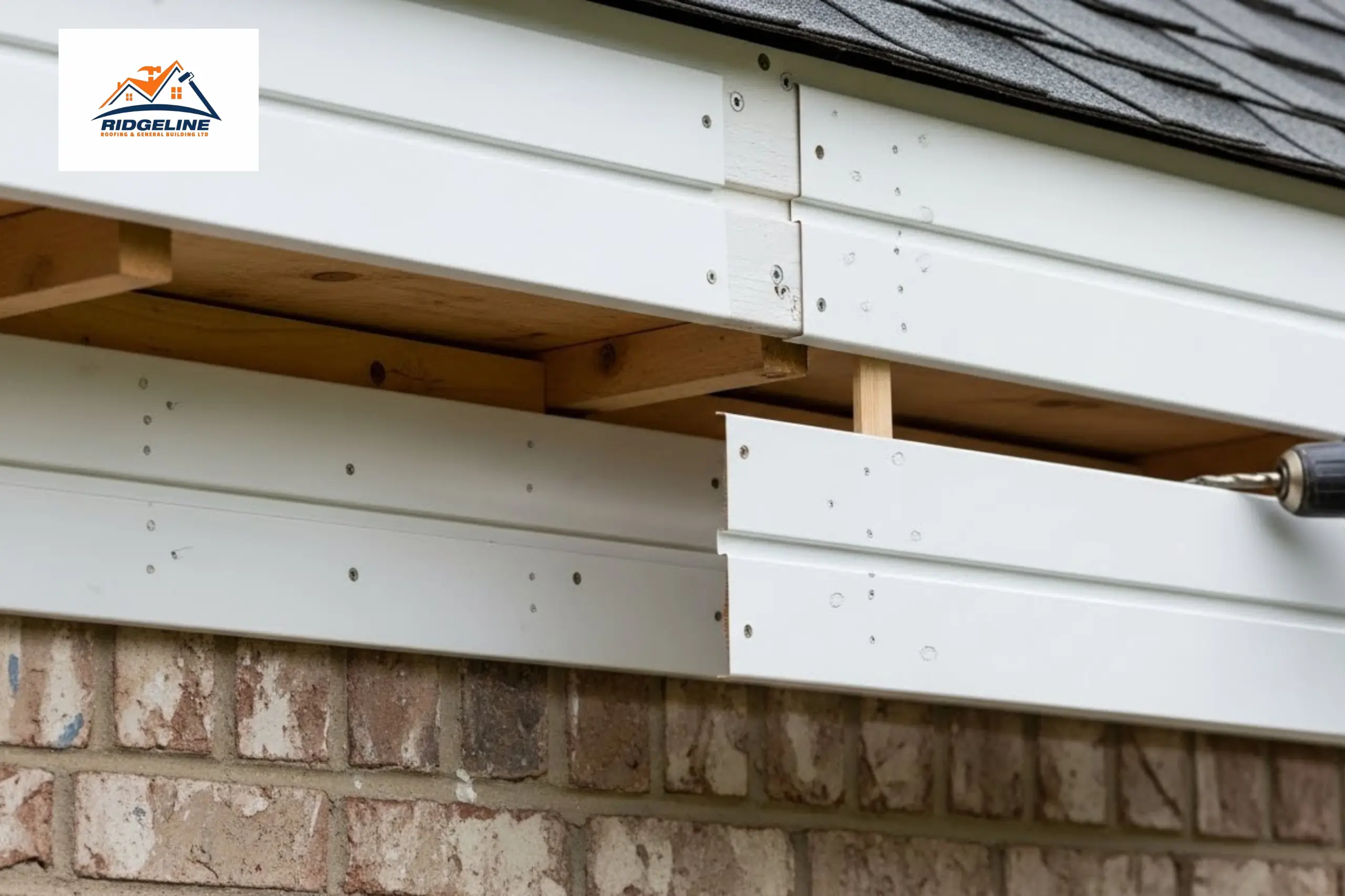
Correct spacing and fixing are essential to prevent sagging or moisture entry during soffit installation.
Step 4: Fix the Fascia Boards
This stage focuses on fixing fascia boards securely to the rafter ends. The boards must be straight and level across the roofline, as they will support the guttering system. Fixings must be secure enough to support guttering, including the added weight of rainwater during heavy rainfall.
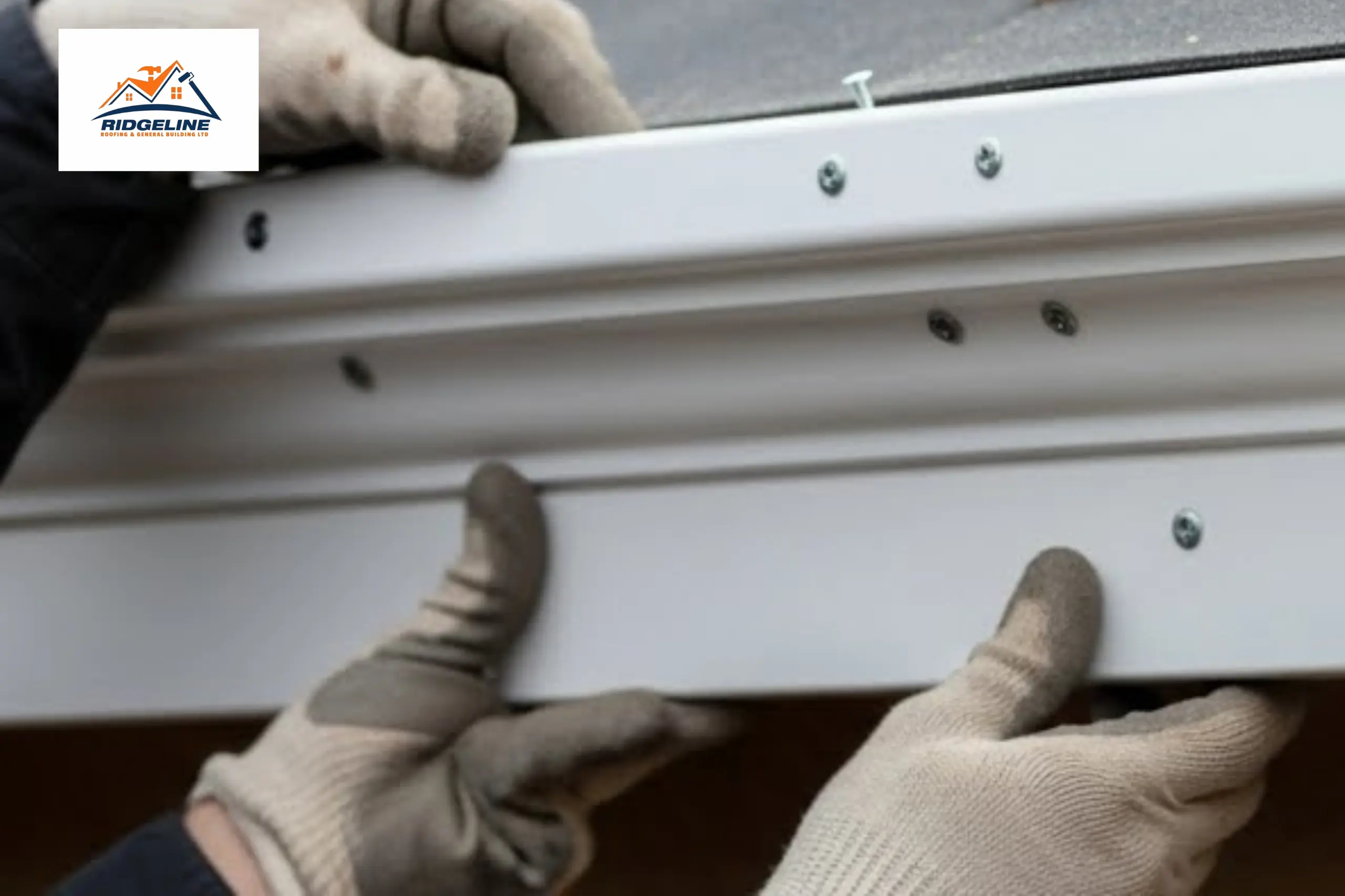
Joints between boards are sealed to stop water penetration.
Step 5: Seal All Joints and Edges
Once the fascia board and soffit panels are installed, apply a high-quality outdoor sealant to the joints where the fascia meets the soffit. This step prevents water from entering behind the boards and protects roof timbers from long-term exposure.
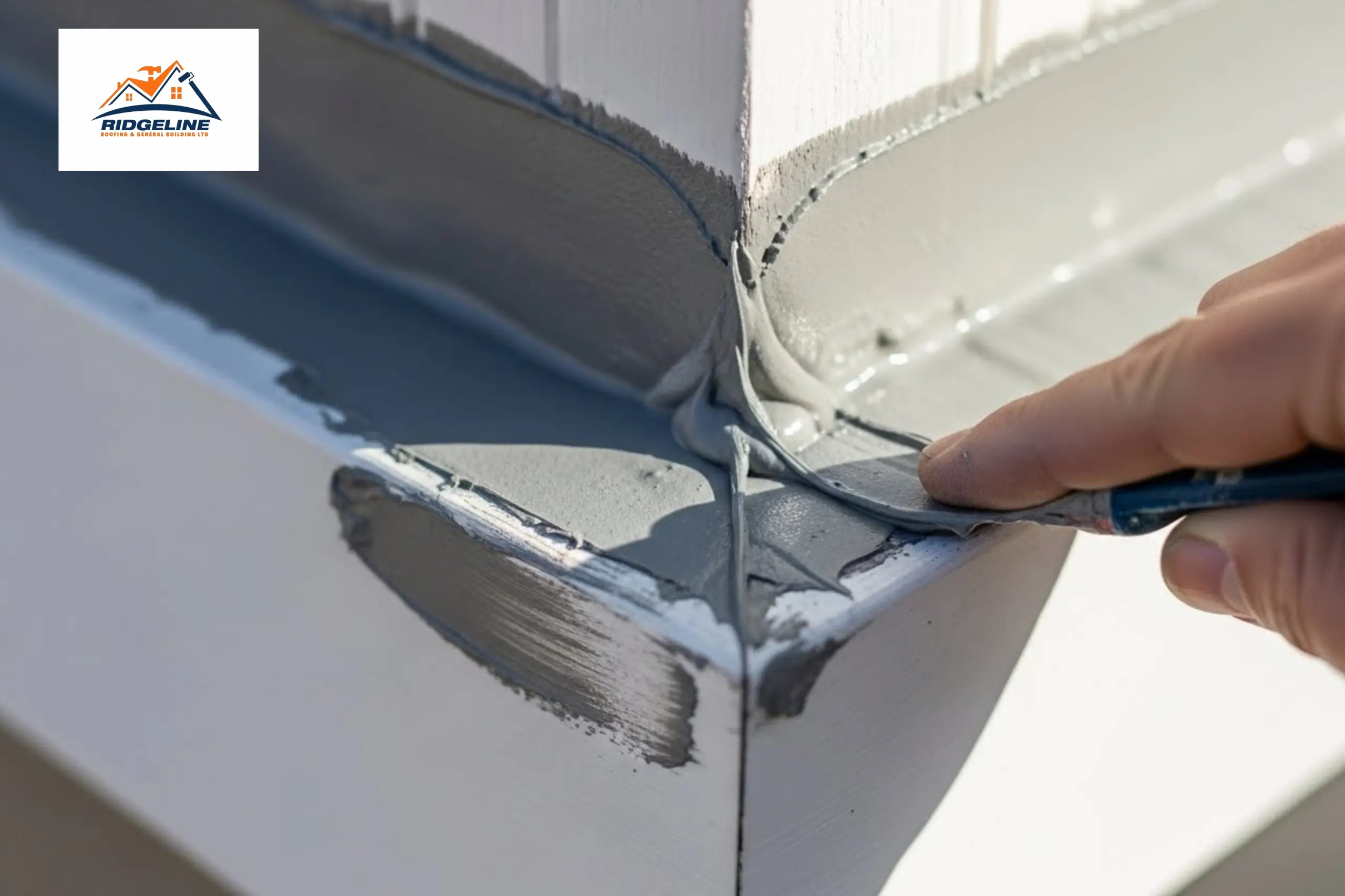
Poor sealing is one of the most common causes of fascia failure.
Step 6: Reinstall or Fit Guttering
Once fascia boards are secure, guttering is installed or refitted. Gutters must be aligned correctly to ensure water flows towards the outlets and away from the property.
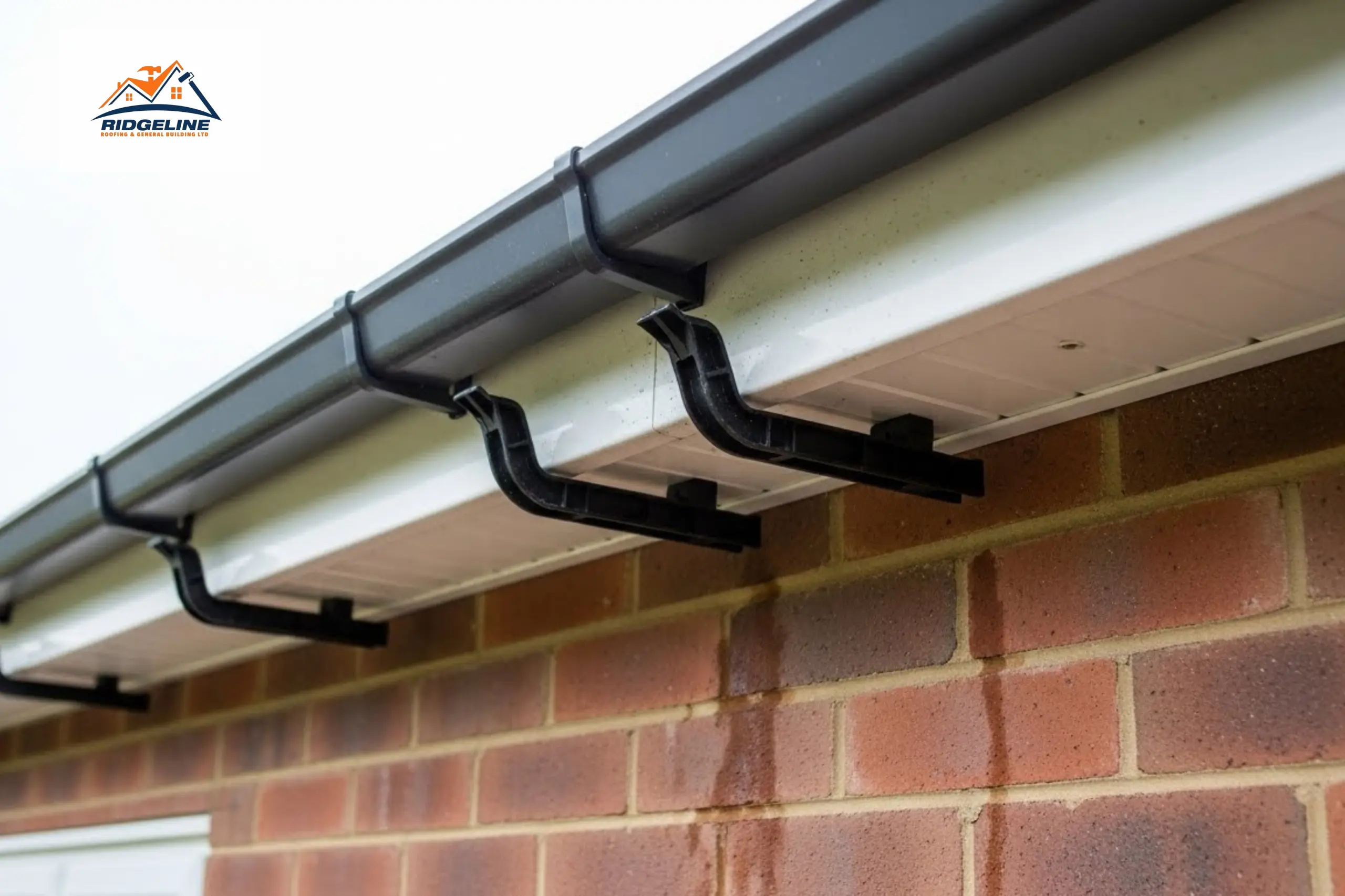
Incorrect gutter alignment can cause overflow, damp patches, and erosion around the building.
If you’re uncomfortable carrying out the installation yourself or don’t have the right tools, a professional fascia and soffit service can provide expert workmanship and ensure a safe, correct installation.
Common Mistakes During Fascia and Soffit Installation
Many fascia and soffit problems are caused by avoidable errors, including:
- Fixing boards onto rotten rafter ends
- Poor ventilation planning
- Using incorrect or non-weatherproof fixings
- Uneven alignment along the roofline
- Unsafe access or rushed installation
These mistakes often lead to repeat repairs and higher long-term costs when fitting fascia and soffit incorrectly.
What to Consider Before Installing Fascia and Soffits
Here are the important things to think about before installing fascia and soffits:
Choosing the right material
Material choice affects lifespan and maintenance. PVC fascia and soffits are widely used in the UK due to their durability, moisture resistance, and low maintenance. Timber offers a traditional look but requires regular painting and upkeep.
Ventilation requirements
Ventilation requirements must meet UK building standards. Insufficient airflow can cause condensation and mould inside the roof space.
Height and access
Access and roof height also matter. Multi-storey buildings and complex rooflines significantly increase risk during installation.
Mistakes during fascia and soffit installation often remain hidden until water damage appears months or years later. Professional roofers in Bishops Stortford ensure correct fixing, proper ventilation, and safe access, reducing the risk of future roof repairs.
Real Case Study: Fascia and Soffit Installation in Wood Green
This real-life example shows how a homeowner in Wood Green tackled worn fascia and soffits, using our guide and professional support to achieve a safe, durable, and attractive roofline.
Problem:
A homeowner in Wood Green noticed water stains along the eaves and sagging guttering after heavy rain. On inspection, the fascia boards were rotted, the soffits were worn, and the ventilation was insufficient, causing damp patches inside the roof space. This left the roof vulnerable to leaks, pests, and moisture buildup.
Solution:
The homeowner began the replacement process using our step-by-step fascia and soffit guide. They removed the old, damaged boards, carefully measured and cut the new panels, and positioned them securely along the roofline. The joints between fascia and soffit were sealed to prevent water ingress. After assessing the work, they reached out to our roofers in Wood Green for guidance and support, ensuring the installation was completed correctly and would last for years to come.
Outcome:
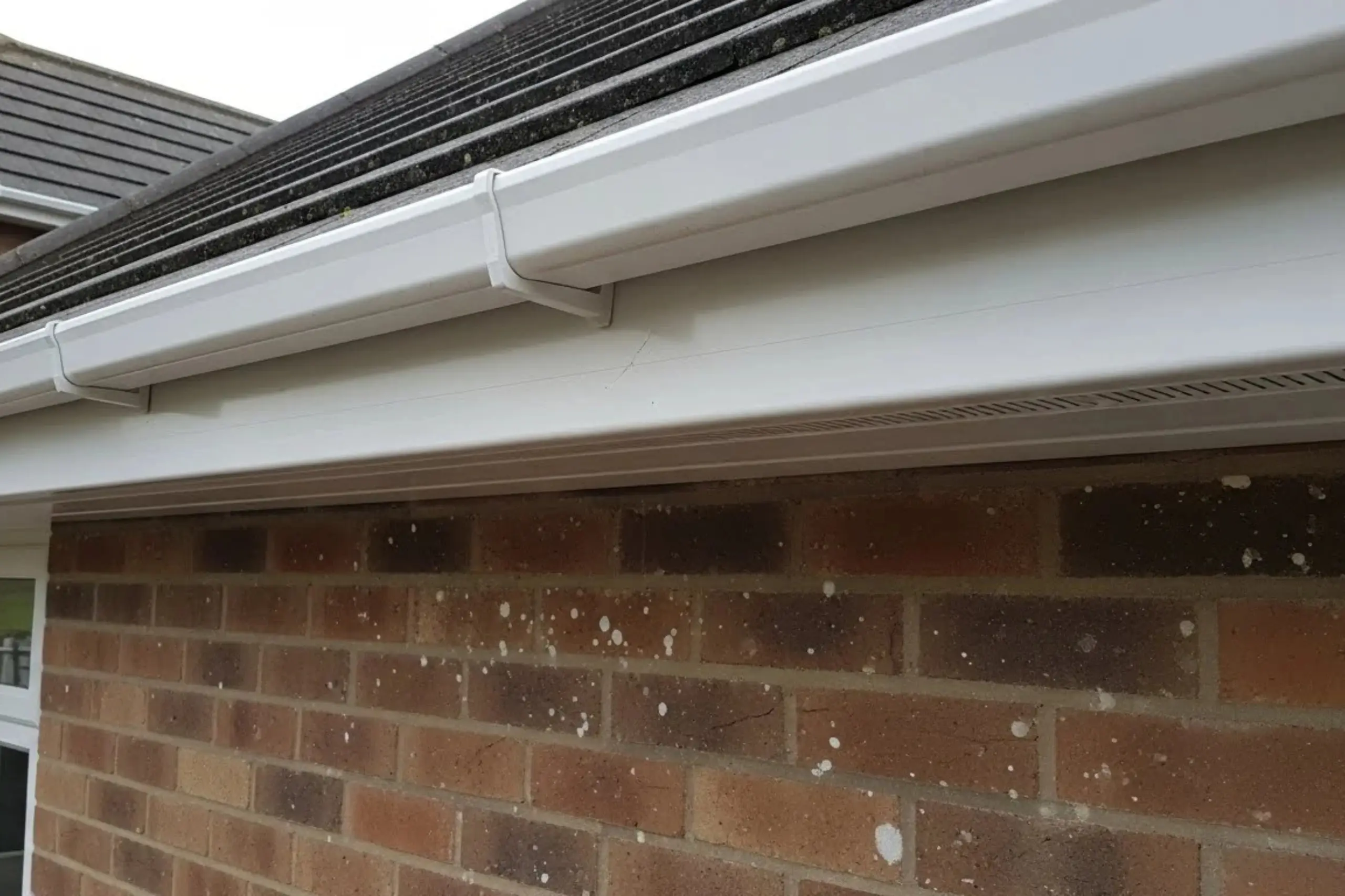
The fascia and soffit replacement was completed effectively, creating a strong, weatherproof barrier for the roof. The homeowner no longer has to worry about leaks or damp patches, and the property is now shielded against rain and wind. Additionally, the upgraded fascia and soffits enhanced the home’s appearance, giving it a neat, well-cared-for look.
Conclusion
Fascia boards and soffits are not decorative extras. They are functional components that protect the roof, control water flow, and manage ventilation. Correct installation improves roof lifespan and reduces the risk of moisture-related damage.
If fascia boards, soffits, or guttering show signs of wear, early action helps prevent larger roofing problems later. Professional roofers ensure the roofline is secure, compliant, and built to last.