Cleaning gutters from the ground is a safe and practical way to maintain your home without using ladders. Many homeowners want to know how to clean gutters without a ladder because it reduces the risk of falls while still keeping gutters clear and working properly.
Gutters protect your property by directing rainwater away from the roof and walls. When gutters clog, water cannot flow correctly, leading to leaks, damp areas, and long-term damage.
This guide explains why gutter cleaning matters, what tools you need, how to clean gutters from the ground, and what else to check after cleaning.
Why Cleaning Gutters From the Ground Matters
Blocked gutters cause water to spill over the sides. This water can soak walls, windows, and foundations. Over time, leaves and dirt stay wet and begin to rot. Rotting debris encourages mold and attracts pests such as insects and rodents.
Standing water also creates breeding areas for mosquitoes. In colder months, trapped water can freeze and form ice. Ice adds weight and can damage gutters and roof edges. Ground-level cleaning helps reduce these risks while keeping you safer.
Tools and Materials Needed to Clean Gutters From the Ground
You can clean gutters from the ground using common tools.
- Gutter Cleaning Pole
- Wet and Dry Vacuum
- Garden Hose with Curved Attachment
- Leaf Blower with Extension
- Pressure Washer Attachment
- Safety Gear
Ground-level cleaning is safer than using ladders, but always work carefully. If gutters are very high or access is limited, professional help may be safer.
How to Clean Gutters From the Ground: Step-by-Step Guide
Step 1: Inspect the Gutters
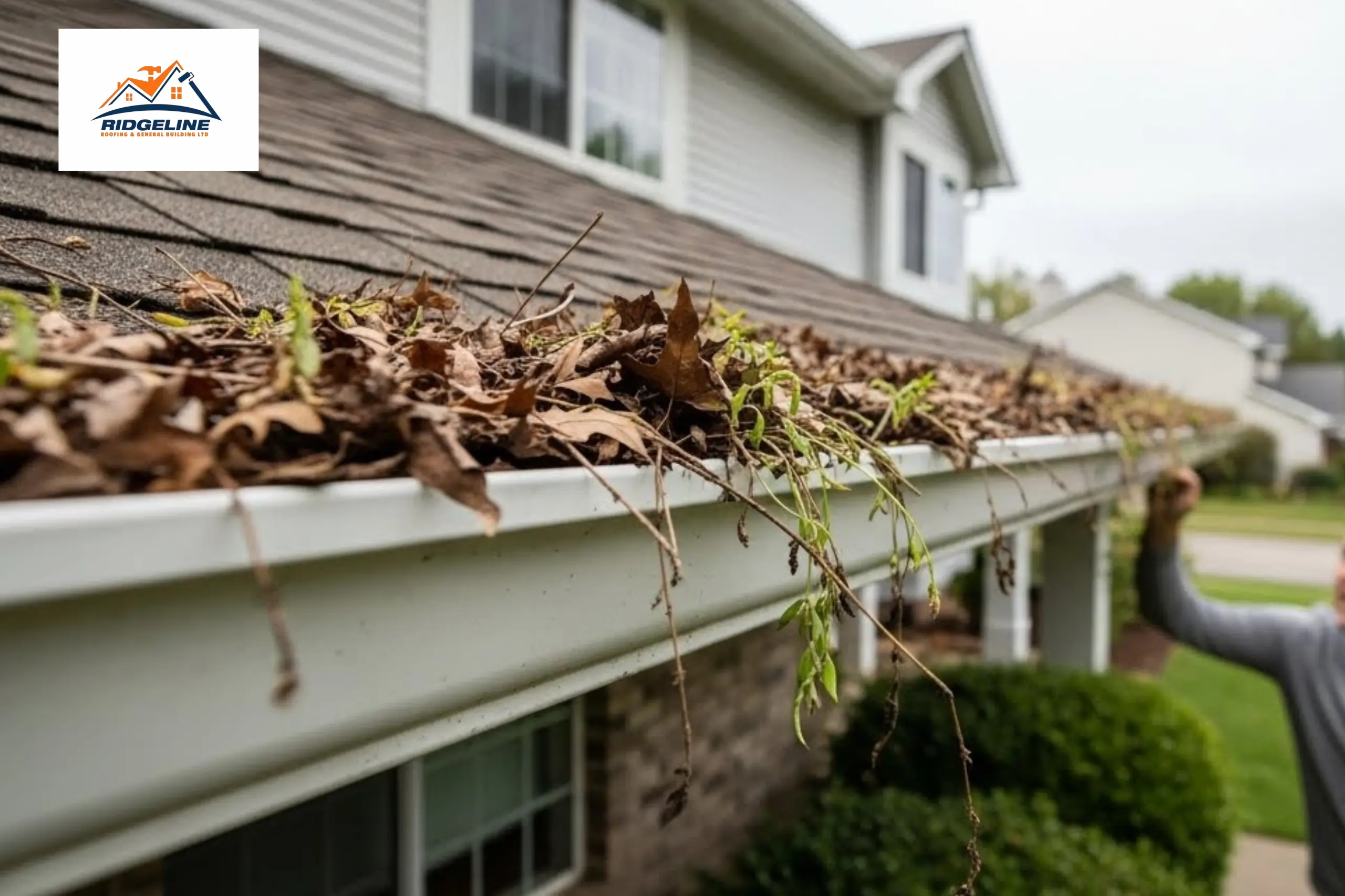
Begin by walking around your home and looking up at the gutters. Check for visible debris, overflowing sections, or plants growing from the gutter. Identify the areas where blockages appear worst so you know where to start.
Step 2: Prepare the Area
Before cleaning, clear the area below the gutters. Move cars, garden furniture, and other items away from the work zone. Put on gloves and eye protection since debris will fall while cleaning.

Step 3: Remove Loose Debris
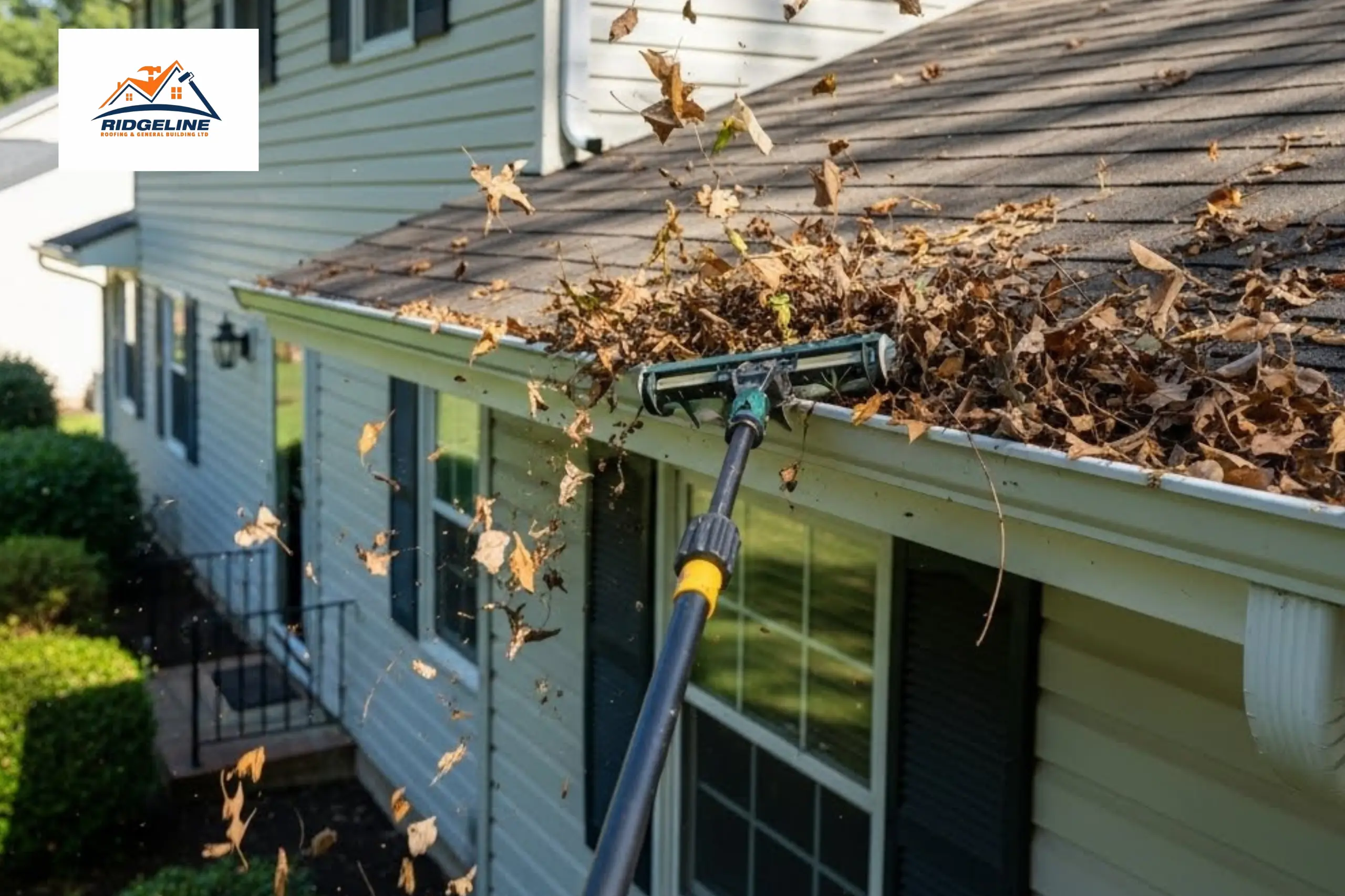
Start removing loose debris using a gutter cleaning pole or a leaf blower with an extension. Work in small sections and move slowly along the gutter. Pull or blow leaves and twigs toward the edge so they fall to the ground. Dry debris is easiest to remove at this stage.
Step 4: Remove Wet Dirt and Fine Debris
After clearing loose material, focus on wet dirt and smaller debris. Use a wet and dry vacuum if available. Move the vacuum nozzle slowly along the gutter to lift out fine dirt and any standing water. This part of the gutter cleaning process helps prevent future blockages.
Step 5: Flush the Gutter with Water
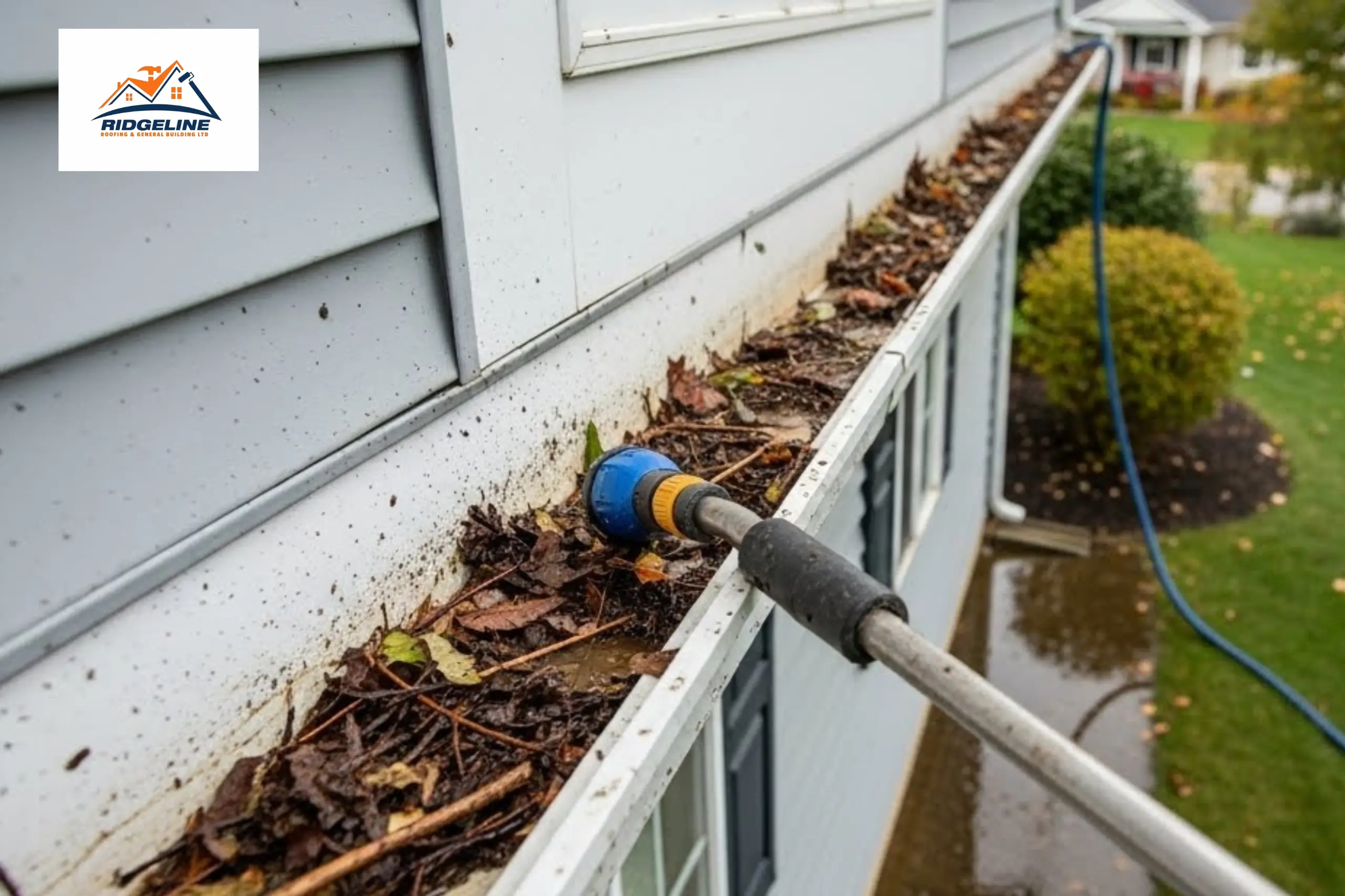
Once debris is removed, flush the gutter using a garden hose with a curved attachment. Spray water into the gutter and watch how it flows. Smooth and steady movement means the gutter is clear. Slow or uneven flow suggests debris may still be present.

Step 6: Check and Clear the Downpipes
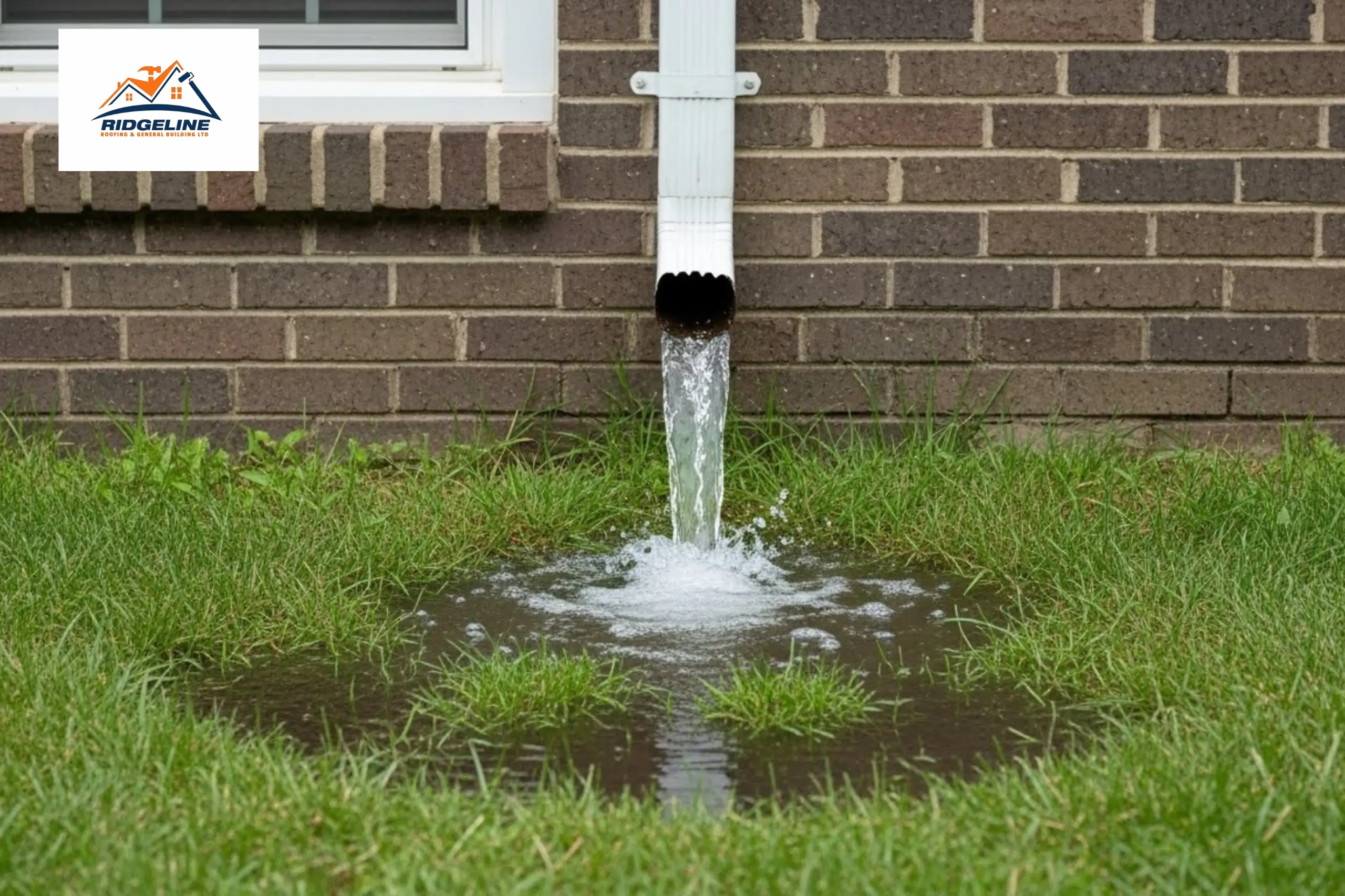
Direct water toward the downpipes and watch the outlet at ground level. Water should exit freely. If water backs up or drains slowly, the downpipe may be blocked. Use water pressure or a vacuum to clear the blockage if possible.
Step 7: Repeat the Process
Move around the house and repeat each step for all gutter sections. Take your time and work methodically to ensure each section is properly cleaned.
Different Ground-Level Gutter Cleaning Methods
Leaf Blower Method
- Best for dry leaves and light debris.
- Quick and effective in dry weather.
- Not ideal for wet or compacted dirt.
Vacuum Method
- Good for small debris and water.
- Cleaner than blowing debris.
- Heavy material may block the hose.
Hose Method
- Useful for final rinsing.
- Helps check water flow.
- May not remove stuck debris.
Pressure Washer Method
- Best for gutters not cleaned in years.
- Removes packed dirt.
- Can be messy and needs control.
However, if your gutters develop leaks at joints, our guide on how to fix a leaking gutter joint
provides step-by-step solutions.
What to Check After Cleaning
Cleaning debris is not the final step.
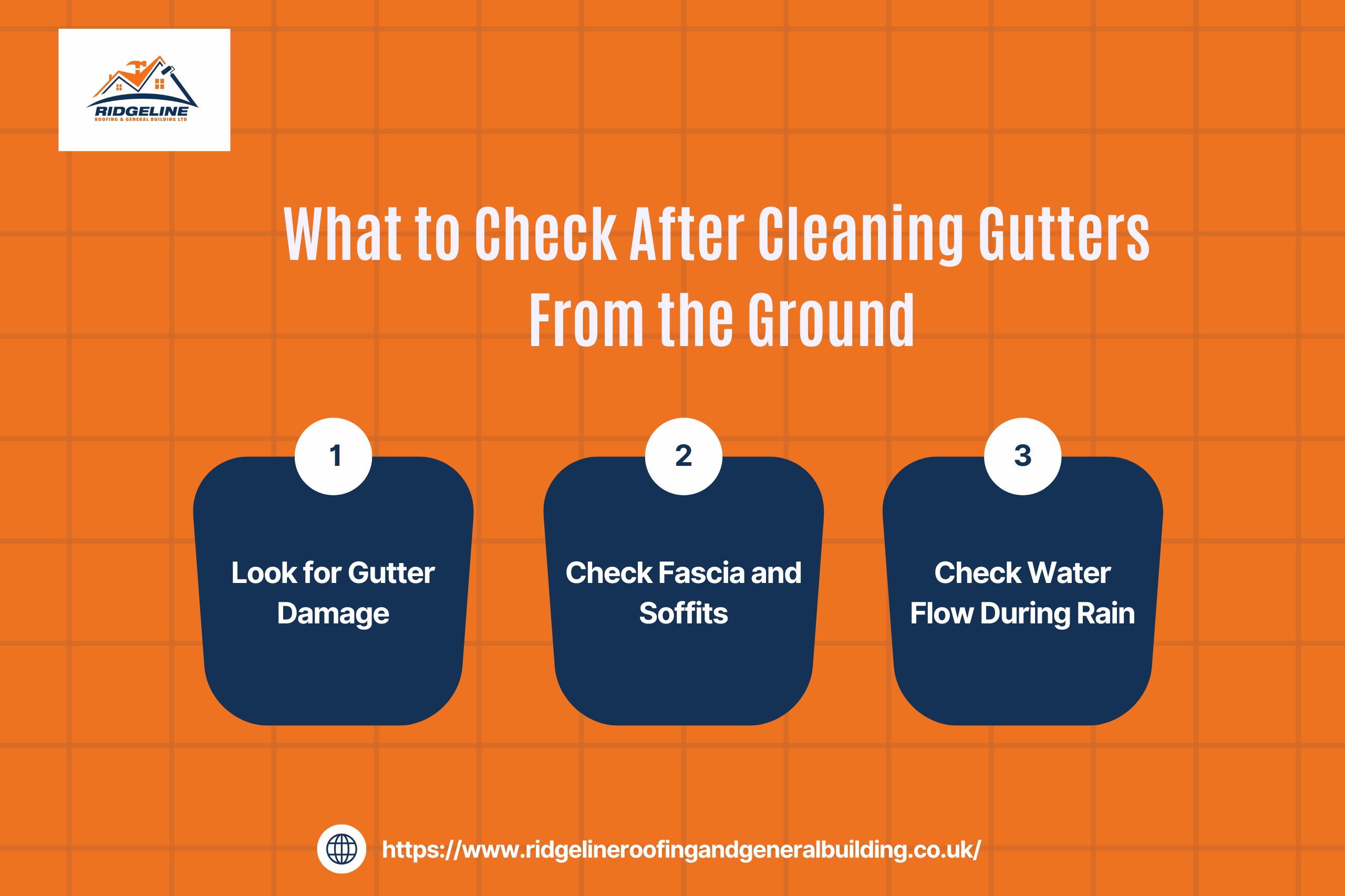
Look for Gutter Damage
- Check for sagging or loose sections.
- Look for cracks or leaks.
Check Fascia and Soffits
- Water stains may show past overflow.
- Rot or peeling paint needs attention.
Check Water Flow During Rain
- Observe gutters during the next rainfall.
- Overflow means further cleaning or repair is needed.
When Ground Cleaning May Not Work
Ground-level cleaning has limits.
It may not work if:
- Debris is hard and compacted
- Gutters are very high
- Gutters are damaged
- Blockages keep returning
If ground-level cleaning does not solve the problem, professional inspection may be needed. Our experienced roofers in Bishops Stortford can safely identify hidden damage and repair gutters. For expert guttering services, maintenance, and repairs, trust our team to keep your gutters in top condition.
Conclusion
Cleaning gutters from the ground is a practical and safer option. It works well for routine maintenance and light blockages. Using the right tools and steps improves results. Regular checks help protect your home and prevent costly damage.
If you need expert help, our roofing company in Bishops Stortford offers professional guttering services, maintenance, and repairs. We also serve Wood Green and Walthamstow, ensuring your gutters and downpipes are in top condition, keeping your home safe, dry, and well-maintained all year round.