Installing a flat roof may look simple from the outside, but getting it right is all about precision. A well-built flat roof protects your home from leaks, damp, and long-term structural damage while a poorly installed one can lead to costly repairs later. Whether you’re improving an extension, renovating a garage, or working on a modern home, understanding each stage of the process helps you build a roof that’s strong, weather-resistant, and made to last.
This guide walks you through how to install a flat roof step by step, showing you the tools you’ll need, the installation process, and the common mistakes to avoid. Whether you’re DIY-minded or simply want to understand the process before hiring professional roofers, these clear, practical instructions will help you ensure your flat roof is strong, weather-resistant, and built to last.
Tools & Materials You’ll Need for Flat Roof Installation
Before starting your flat roof project, gather the following essentials:
- Flat roofing membrane (EPDM, felt, or GRP depending on your choice)
- Insulation boards
- Primer and strong adhesive
- Sealants or roofing tape
- Nails, screws, and fixings
- Utility knife and ruler
- Roller for smoothing the membrane
- Torch or heat gun (only for certain roofing systems)
Having everything ready helps the installation go smoothly.
Step-by-Step: How to Install a Flat Roof
The steps below break the process into simple stages so you know exactly what to do and why it matters. Whether you’re using EPDM, felt, or GRP, following these steps carefully will help you install a strong, long-lasting flat roof that stays watertight and performs well in the UK weather.
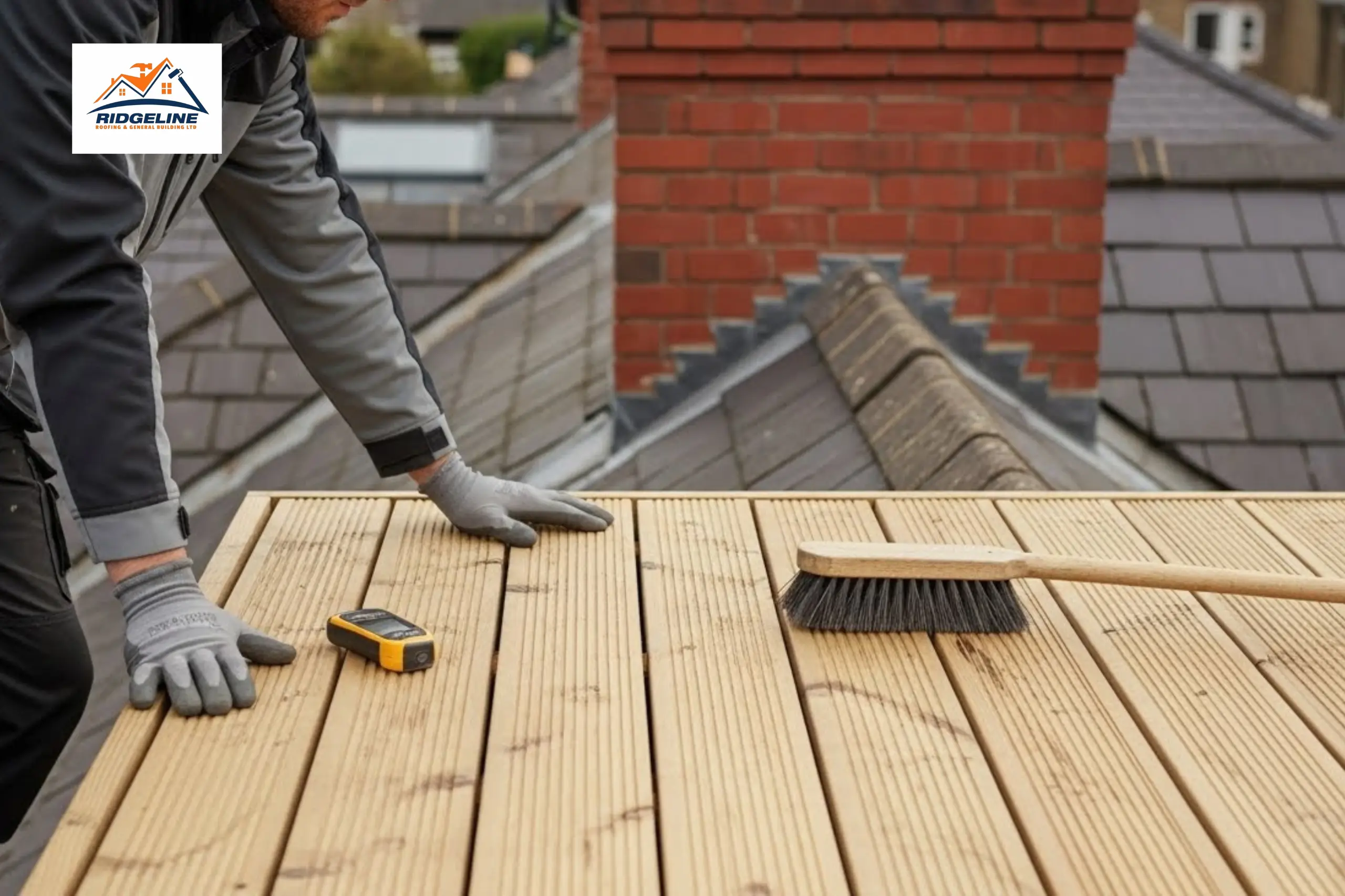
1. Check and Prepare the Roof Deck
The roof base, or deck, must be:
- Strong and stable
- Flat and even
- Free from rot or moisture
Clean away any dust or debris. A good base is the most important part of a long-lasting flat roof.
2. Install the Insulation Layer
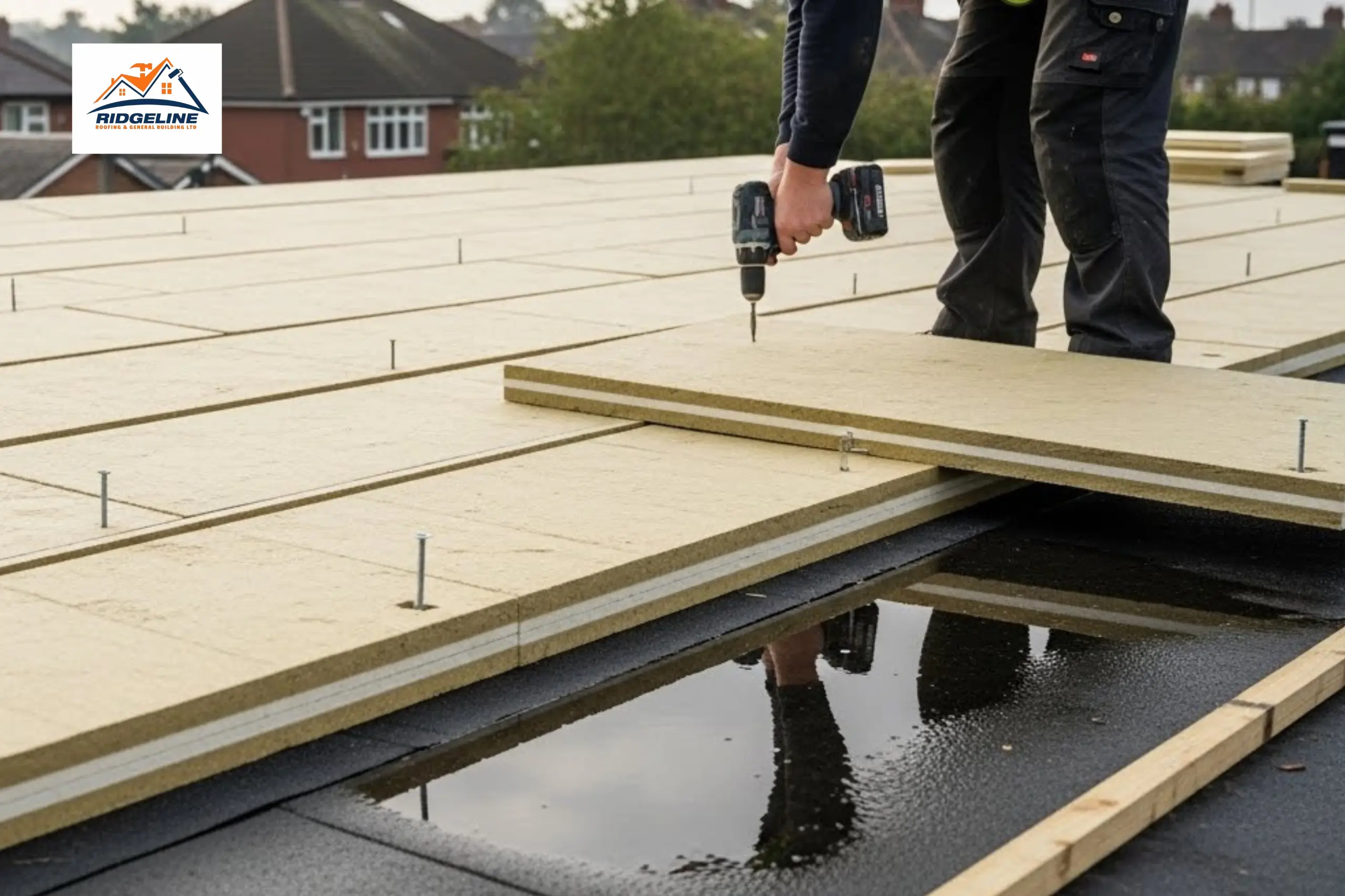
Next, lay your insulation boards across the roof. This helps:
- Keep heat in during winter
- Reduce energy bills
- Protect the roof from extreme temperatures
Fix the boards securely so they don’t move.
3. Add the Underlay (If Required)
Some flat roofing systems need an underlay before the main membrane.
This layer:
- Adds extra protection
- Helps stop moisture
- Makes the final layer sit smoothly
Follow the manufacturer’s instructions carefully.

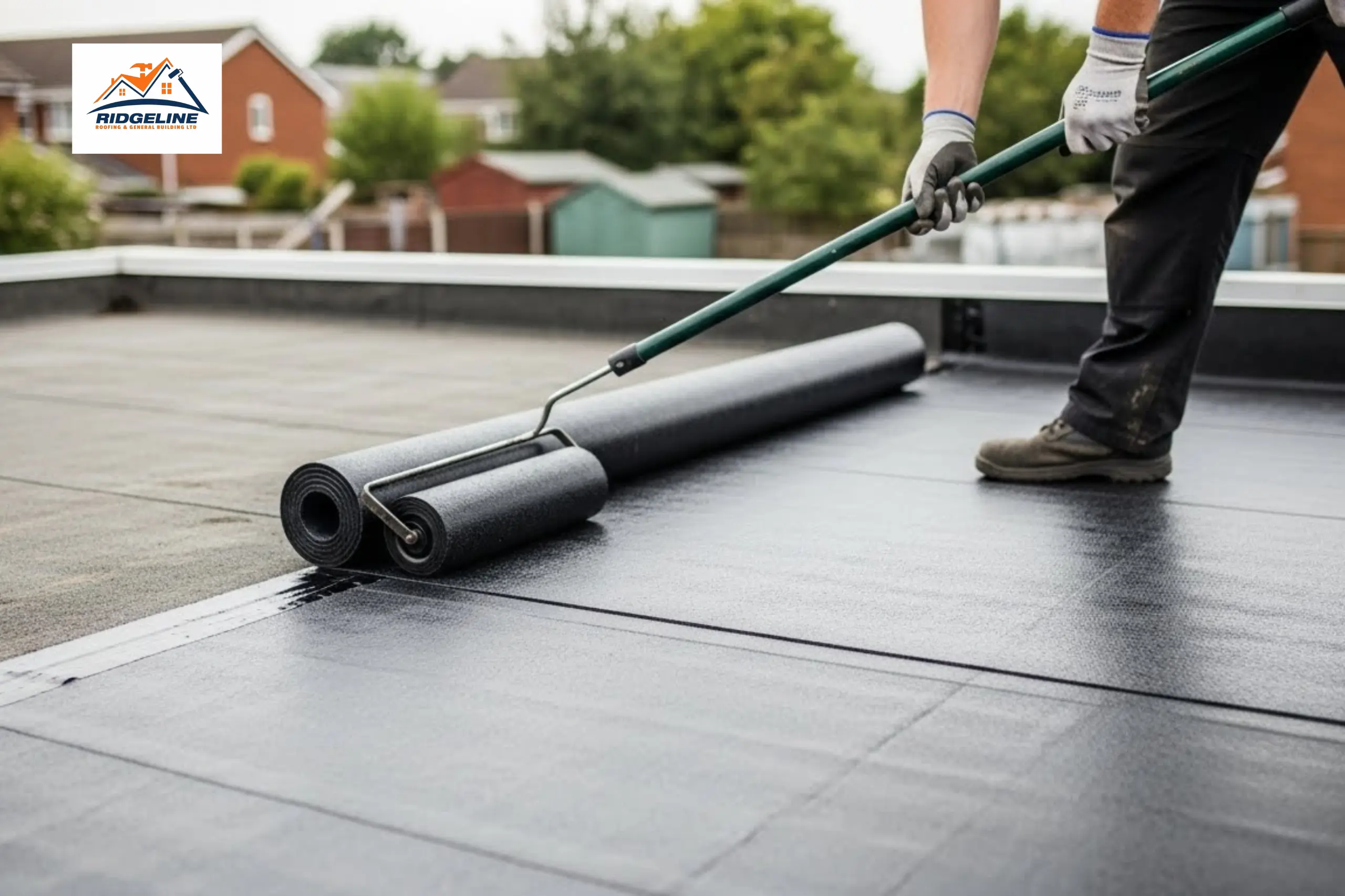
4. Roll Out the Main Roofing Membrane
Carefully place the membrane over the entire roof. Take your time here. Make sure to:
- Roll it flat
- Smooth out air bubbles
- Keep it tight around the edges
Depending on the membrane type, it may be glued, nailed, or heat-welded. This layer is what keeps water out, so accuracy is important.
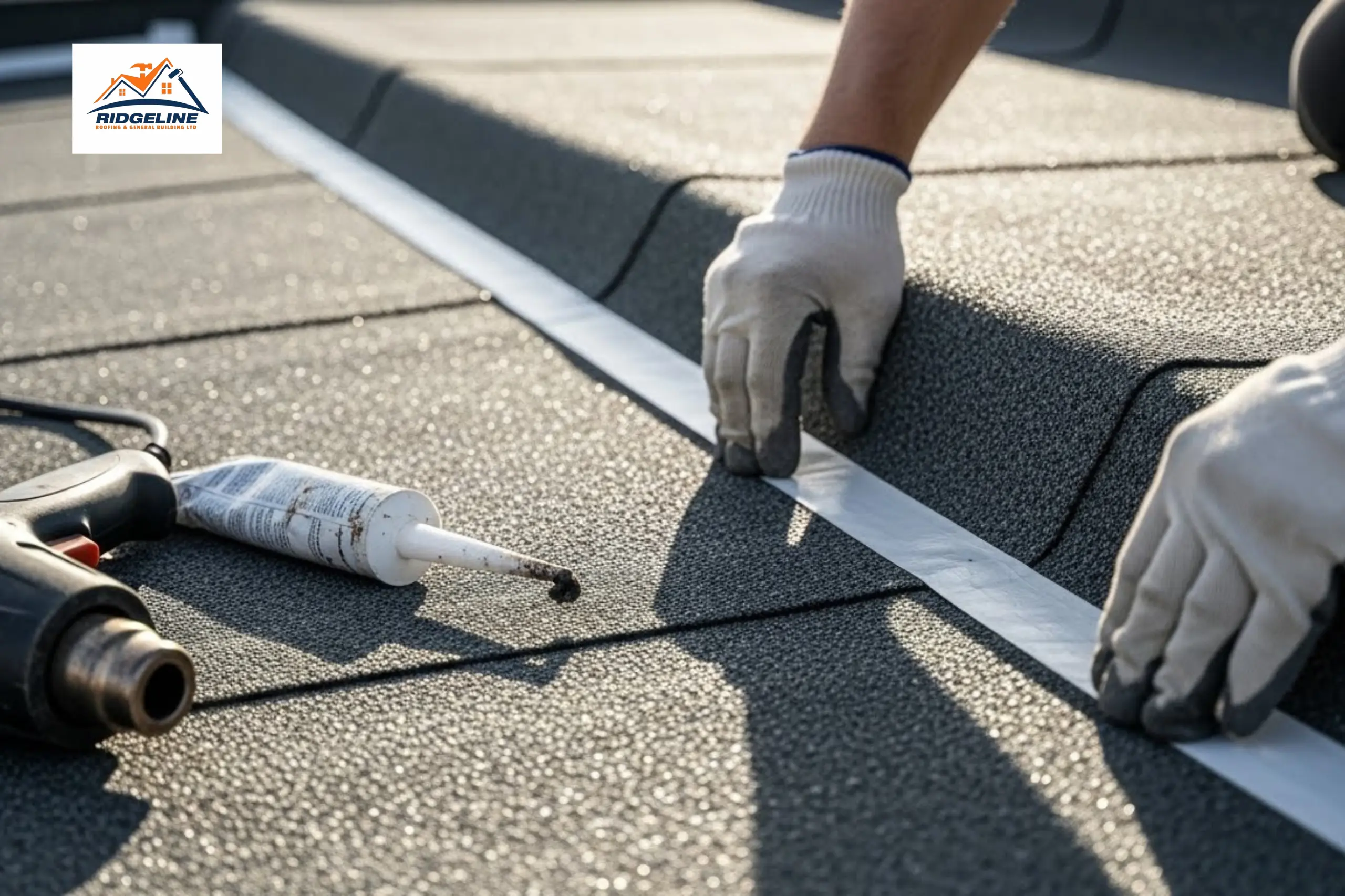
5. Seal the Edges & Joints
Corners and edges are the most common places for leaks. Seal them with:
- Roofing tape
- Adhesive
- Heat-welded strips
- Specialist sealants
A properly sealed edge means a waterproof and durable flat roof.
6. Install Roof Features (If Needed)
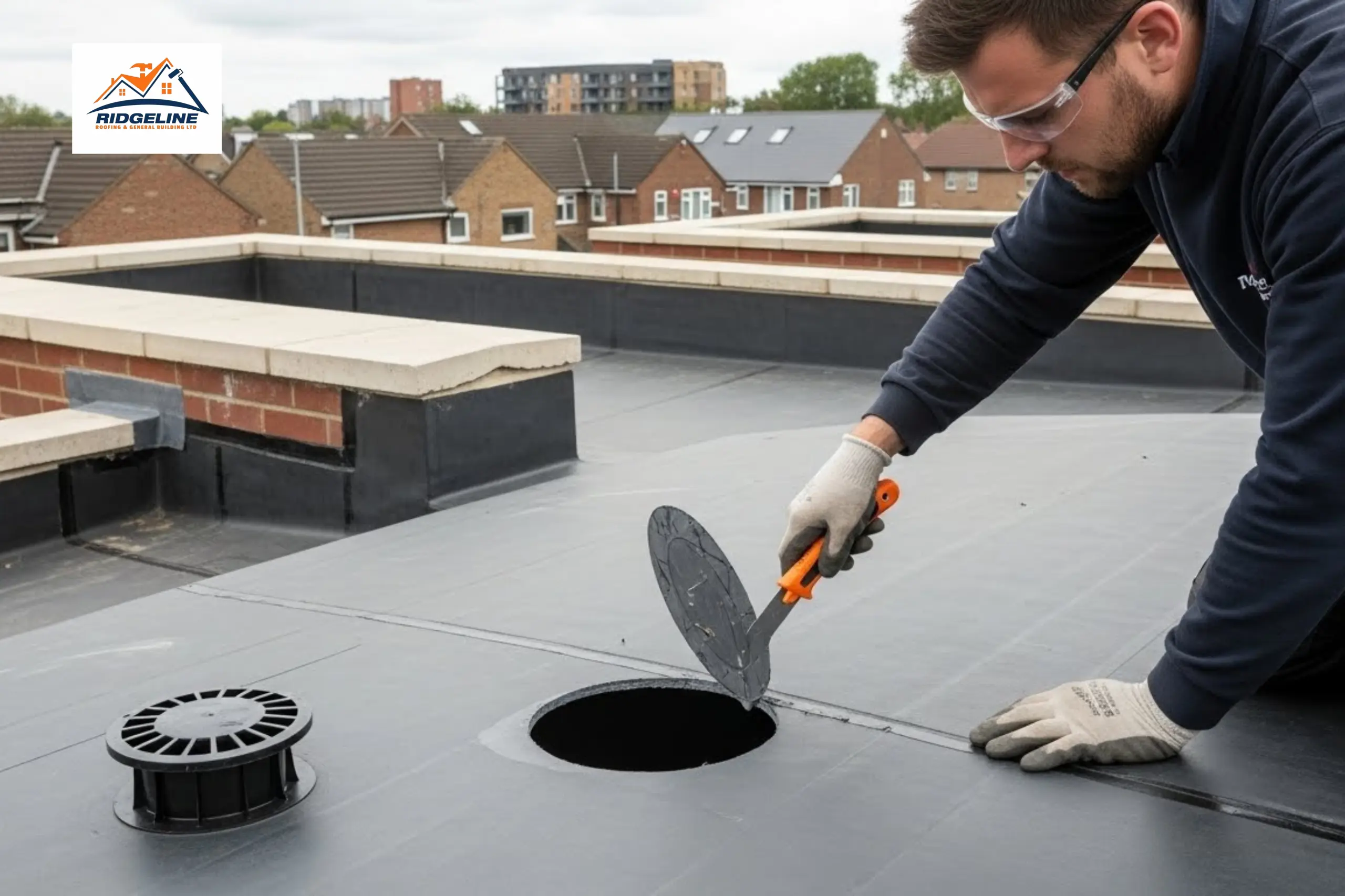
Your flat roof may include:
- Roof drains
- Air vents
- Skylights
Cut openings carefully and make sure everything is sealed tightly so rain cannot get inside.
7. Final Inspection
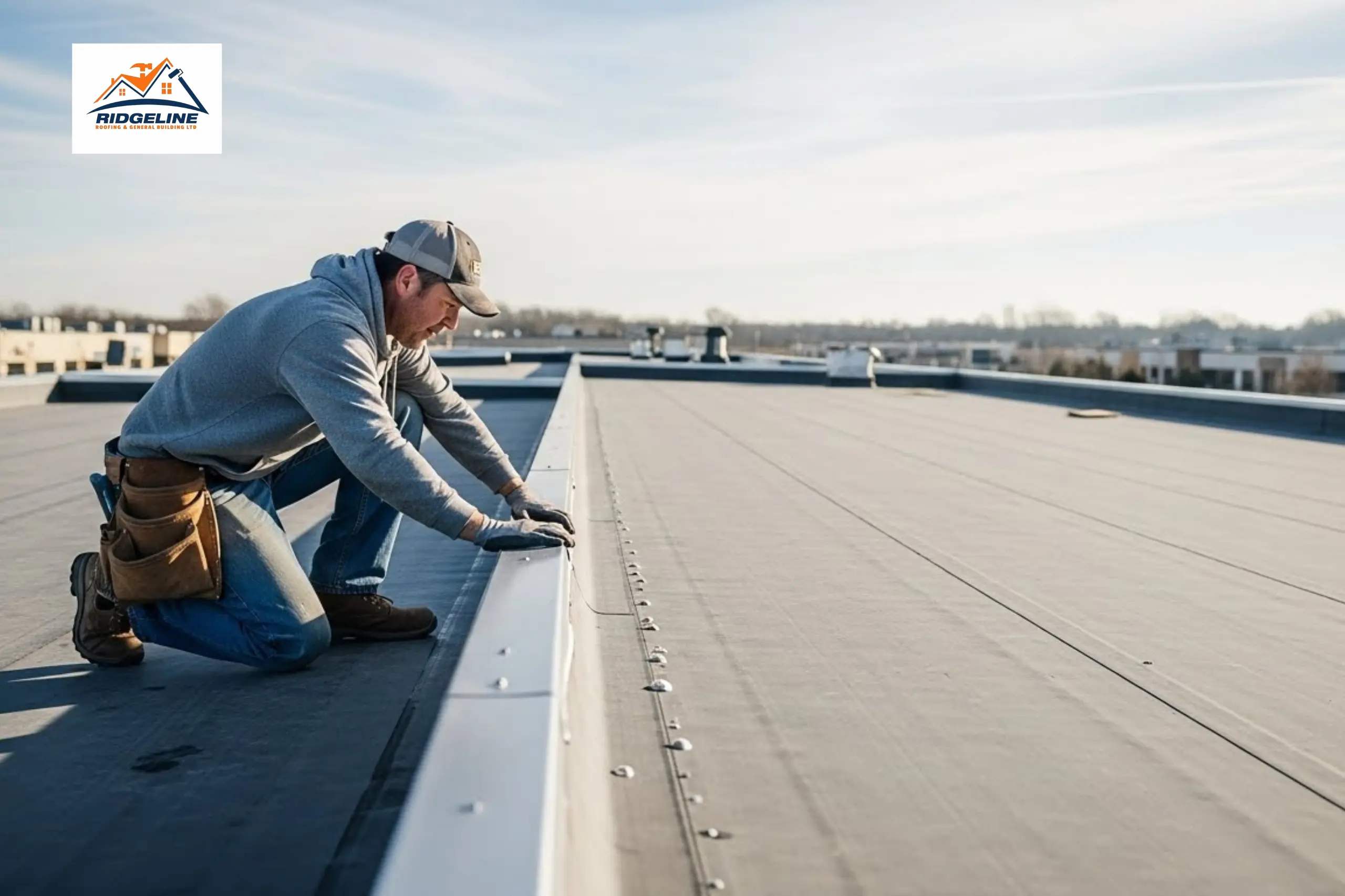
Once everything is installed, check the entire roof:
- Look for bubbles
- Make sure seams are flat
- Check that everything is fully sealed
Some systems may need a protective top coat. If so, apply it evenly. A good final inspection helps the roof last for many years without problems.
Want expert help? Our experienced roofers in Bishop’s Stortford provide high-quality flat roofing services across Bishop’s Stortford, Wood Green, and Walthamstow. Get your free quote today.
Extra Tips for a Strong Flat Roof
- Always keep a small slope on the roof (1–2%) so rainwater drains away.
- Choose good-quality materials that suit the UK weather.
- Light-coloured or reflective membranes help reduce heat in summer.
- Follow all safety and manufacturer instructions.
If you want peace of mind, hire a reliable roofing contractor in Bishop’s Stortford. Ridge Line Roofing & General Building delivers professional flat roof installation and repairs across Bishop’s Stortford, Wood Green, and Walthamstow, ensuring your home is safe, strong, and long-lasting.
Common Flat roof Installation Mistakes
- Not installing enough insulation
- Poorly sealed edges
- Using cheap materials
- Rushing the installation
- Leaving water to pool on the roof
These mistakes can lead to leaks, mould, or expensive repairs later.
Benefits of a Properly Installed Flat Roof
A well-installed flat roof gives you:
- Long-lasting protection from rain and wind
- Better insulation and lower energy bills
- A clean, modern look
- Extra usable space
- Peace of mind knowing your home is well-protected
Flat roofs are ideal for extensions, garages, outbuildings, and contemporary homes.
Conclusion
Installing a flat roof requires care, precision, and the right materials. When each step from preparing the deck to sealing the final edges is done correctly, the result is a durable, weatherproof roof that protects your home for many years.
If you want a high-quality flat roof without the stress of doing it yourself, Ridgeline Roofing & General Building is here to help. Our experienced roofers in Bishop’s Stortford provide professional flat roof installation and repairs across Bishop’s Stortford, Wood Green, and Walthamstow, ensuring every roof is strong, safe, and built to last.